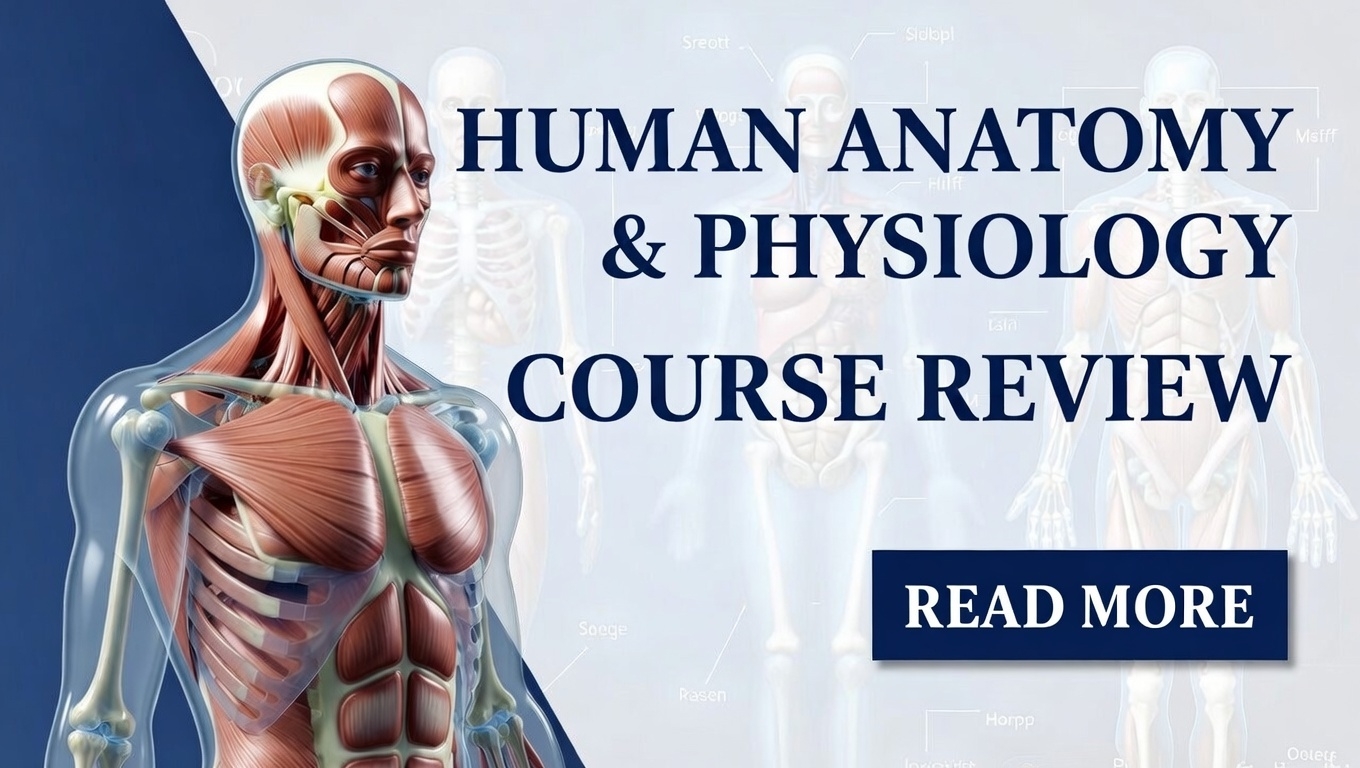
Human Anatomy & Physiology Course Review 2024: An In-Depth Look at What You’ll Learn
For aspiring healthcare professionals, fitness experts, or lifelong science learners, a solid foundation in Human Anatomy and Physiology (A&P) is non-negotiable. It’s the critical bedrock upon which medical knowledge is built. However, finding a course that is comprehensive, engaging, and properly structured for mastery can be a challenge. This review takes you inside a popular and detailed **Human Anatomy & Physiology Course**, breaking down exactly what you’ll learn, module by module, to help you decide if it’s the right key to unlock your understanding of the human body.
💡 Did You Know? Human Anatomy and Physiology are two sides of the same coin. Anatomy is the study of the structure of body parts, while Physiology is the study of how those parts function. A great course seamlessly integrates both.

A deep understanding of A&P starts with mastering the structures and relationships of major organ systems.
Part 1: Course Overview & Foundational Principles
Before diving into the body’s systems, any reputable **Human Anatomy & Physiology Course** must establish a strong foundational unit. This section sets the stage for all future learning by answering the fundamental question: How is the human body organized?
The Hierarchy of Structural Organization
The course typically begins by walking you through the levels of organization, from the smallest chemical building blocks to the complete organism:
- Chemical Level: Atoms (like carbon, hydrogen) combine to form molecules (like proteins, DNA).
- Cellular Level: Molecules form organelles, which make up cells—the basic unit of life.
- Tissue Level: Groups of similar cells working together (e.g., muscle tissue, nervous tissue).
- Organ Level: Two or more tissue types performing a specific function (e.g., the stomach, heart).
- Organ System Level: Related organs working together (e.g., the digestive system).
- Organismal Level: All organ systems combined to form a living human.
Key Learning Takeaway from the Foundations Module
You’ll learn essential terminology—anterior/posterior, superior/inferior, medial/lateral—and the concept of homeostasis: the body’s remarkable ability to maintain a stable internal environment despite external changes. This principle is the golden thread that runs through every physiology topic you’ll encounter.
Part 2: A Deep Dive into the Core Systems
This is the heart of the curriculum. A well-structured course progresses logically through the body’s 11 major organ systems. Here’s what a comprehensive **Human Anatomy & Physiology Course** covers in each.
1. The Integumentary System (Skin, Hair, Nails)
More than just a covering, you’ll learn about the skin’s layers (epidermis, dermis, hypodermis), its role in protection, temperature regulation, and vitamin D synthesis. This module often includes common pathologies like burns and skin cancer.
2. The Skeletal System
Beyond memorizing 206 bones, a good course explains bone classification, structure, and the dynamic process of bone remodeling. You’ll delve into joints (articulations), learning their types and movements, which is crucial for fields like physical therapy and chiropractic.
3. The Muscular System
This module distinguishes between skeletal, cardiac, and smooth muscle tissue. The core focus is often on skeletal muscle: you’ll learn the sliding filament theory of contraction, how muscles are named, and study major muscle groups of the body. The connection between the nervous and muscular systems is heavily emphasized.
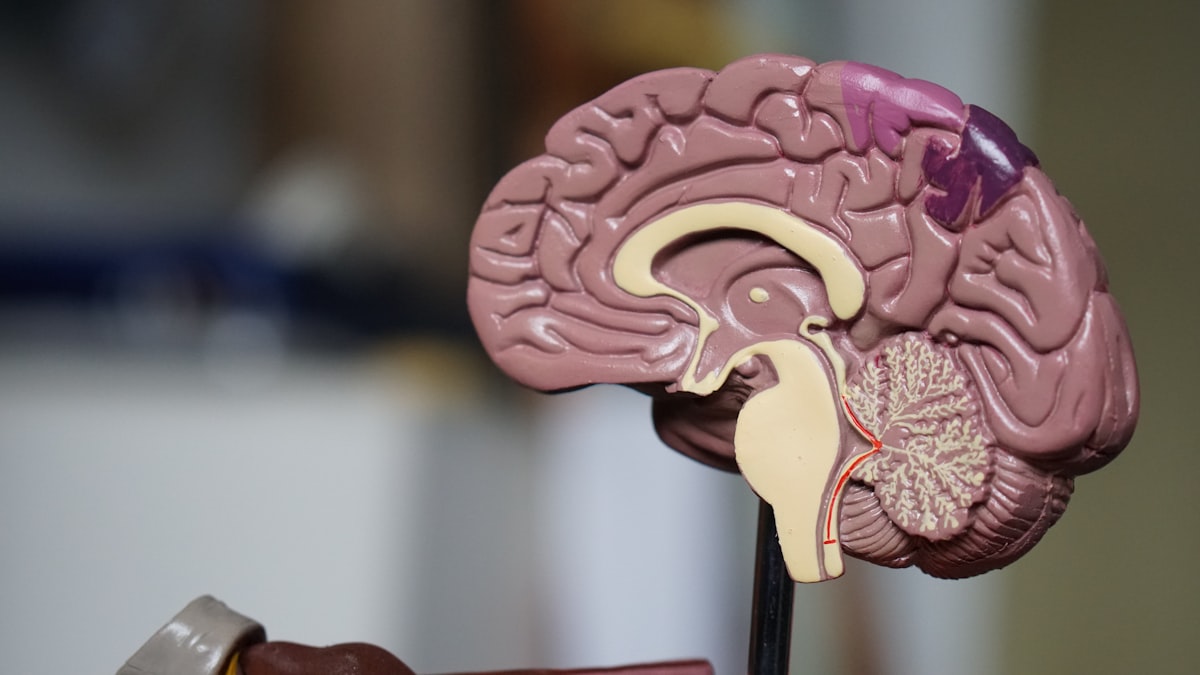
4. The Nervous System
A cornerstone module. It starts with the neuron and nerve physiology (action potentials, synapses) before dividing into the Central Nervous System (brain and spinal cord anatomy) and the Peripheral Nervous System. You’ll explore special senses (sight, hearing) and learn how the body’s rapid communication and control network operates.
📈 For Pre-Med & Nursing Students: Pay special attention to the autonomic nervous system (sympathetic “fight-or-flight” vs. parasympathetic “rest-and-digest”). Its clinical applications are vast, affecting heart rate, digestion, and respiratory rate.
5. The Endocrine System
You’ll learn about hormones as chemical messengers. The course will map out major glands (pituitary, thyroid, adrenal) and the hormones they secrete (like insulin, growth hormone, cortisol), focusing on how they regulate growth, metabolism, and reproduction through feedback loops.
6. The Cardiovascular System
An in-depth look at the heart’s anatomy, the cardiac cycle, and the conduction system that sets your heartbeat. You’ll trace the path of blood through systemic and pulmonary circuits, learn about blood vessel structure, and understand the fundamentals of blood pressure. This module is critical for understanding heart disease.
7. The Lymphatic & Immune Systems
This section covers the body’s defense strategies. You’ll learn about lymphatic vessels, nodes, and organs (spleen, thymus). It differentiates between innate (nonspecific) defenses and adaptive (specific) immunity, explaining how antibodies and immune cells like lymphocytes protect the body.
8. The Respiratory System
From the nasal cavity to the alveoli, you’ll study the anatomy of the airway. The physiology focus is on the mechanics of breathing (inspiration/expiration) and, most importantly, the process of external and internal gas exchange—how oxygen enters the blood and carbon dioxide leaves it.
9. The Digestive System
The course traces the alimentary canal, explaining the function of each organ from mouth to anus. You’ll learn about both mechanical and chemical digestion, the absorption of nutrients in the small intestine, and the role of accessory organs like the liver and pancreas.
10. The Urinary System
A masterclass in homeostasis. You’ll explore kidney anatomy (nephrons are key!), and learn the three core processes: filtration, reabsorption, and secretion. This system’s role in regulating blood volume, pressure, pH, and electrolyte balance makes it a physiology highlight.
11. The Reproductive System
The course covers both male and female reproductive anatomy, the hormonal cycles that govern them (like the menstrual cycle), and the basic fundamentals of human development, often culminating in a brief overview of pregnancy and inheritance.
Part 3: How a Quality Course Enhances Learning
Content is king, but delivery is queen. A superior **Human Anatomy & Physiology Course** doesn’t just list facts; it uses pedagogical tools to ensure retention and understanding.
🧬 Clinical Connections & Case Studies
The best courses constantly link theory to practice. Learning about the heart? You’ll explore a case study on atherosclerosis and myocardial infarction. This bridges the gap between textbook knowledge and real-world application, which is essential for future healthcare work.
📊 Interactive Learning Assets
Look for courses with labeled diagrams, 3D interactive models, histology slides (microscopic anatomy), and dissection videos. These resources cater to different learning styles (visual, kinesthetic) and make complex spatial relationships, like the anatomy of the skull or the heart’s chambers, much easier to grasp.
✅ Quizzes & Cumulative Assessments
Regular, module-ending quizzes test your recall and understanding. Cumulative exams at the end of major sections (e.g., “Midterm on Systems 1-6”) are crucial for reinforcing knowledge and preventing “cram-and-forget” learning, ensuring the information moves to your long-term memory.
Part 4: Who Is This Course Designed For?
This comprehensive **Human Anatomy & Physiology Course** is an invaluable resource for a diverse range of learners. Is it right for you?
- Pre-Nursing, Pre-Med, & Pre-PA Students: This is the definitive prerequisite. A high grade and deep understanding in A&P are essential for admission to competitive programs and for success in advanced coursework.
- Fitness & Sports Science Professionals: Personal trainers, physiotherapists, and coaches need to understand biomechanics, muscle function, and energy systems to design effective, safe programs and understand injuries.
- Massage Therapists & Chiropractic Assistants: Detailed knowledge of muscular origins/insertions, skeletal landmarks, and the nervous system is directly applicable to their hands-on work.
- Lifelong Learners & Curious Minds: If you’ve ever wondered how your body heals a cut, regulates temperature, or turns food into energy, this course provides the fascinating, in-depth answers.
Ready to Master the Human Body?
Understanding the intricate design and function of the human body is one of the most rewarding intellectual journeys you can undertake. It empowers you to make informed decisions about your health, opens doors to fulfilling careers, and satisfies a profound curiosity about life itself.
The structured, detailed **Human Anatomy & Physiology Course** we’ve reviewed provides a clear, logical, and engaging path to this mastery. It transforms a daunting subject into an achievable and fascinating goal.
Access the Full Human Anatomy & Physiology Course Today!
Take the first step towards confidence in your knowledge of the human body.
Final Verdict: Is This Course Worth It?
Based on the comprehensive curriculum covering all major organ systems, the emphasis on foundational principles and homeostasis, and the inclusion of tools for applied learning, this **Human Anatomy & Physiology Course** represents a robust and valuable educational package.
It is particularly well-suited for self-motivated individuals preparing for advanced healthcare studies or careers where this knowledge is a prerequisite. Success will depend on your commitment to engaging with all the material—the videos, the diagrams, the quizzes—and actively working to integrate the concepts. For those who do, the reward is a powerful and enduring understanding of the remarkable human machine.